Thesis
ChatGPT Astra vs Claude Fable 5.1: They're Not Competing Anymore
Astra and Fable 5.1 have diverged so fundamentally that comparing them on benchmarks misses the point - route by workload, not leaderboard.
Ideas
Thesis pieces, frameworks, build notes, and security briefs on the infrastructure, runtimes, and control layers underneath enterprise AI.
26 ideas Search by title, topic, or series.
Latest publication
Astra and Fable 5.1 have diverged so fundamentally that comparing them on benchmarks misses the point - route by workload, not leaderboard.
Archive
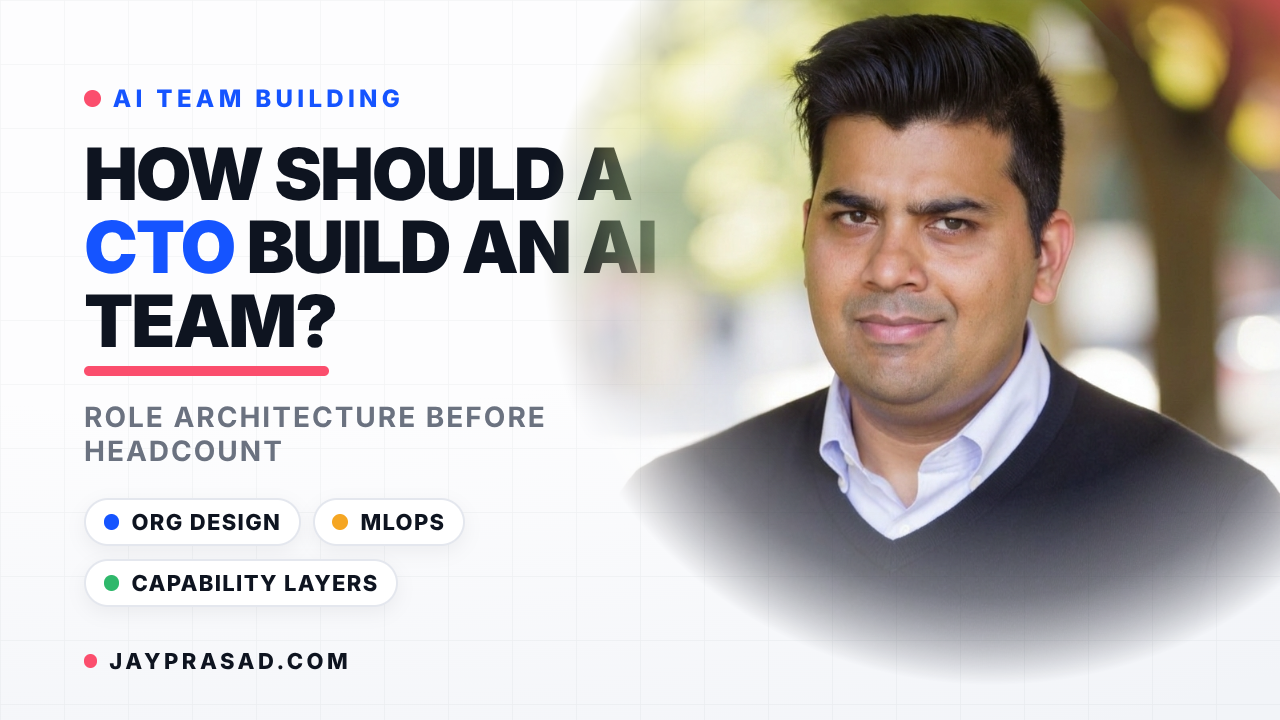
CTOs who hire AI talent without a structural blueprint waste 6-12 months on misaligned teams that can't ship to production.
The five skills required for an AI engineer career form a dependency stack, not a checklist, and skipping a layer breaks everything above it.
Agent hallucinations are systematic failures with structure, and structure means you can build specific guardrails, evaluation pipelines, and fixes against them.
The context layer is the architectural component that separates production AI agents from stateless chatbots, and it deserves more engineering effort than model selection.
Understanding that LLMs are prediction machines with no truth checker is the single most important insight for using AI effectively.
If the path through the problem is known before execution begins, build a workflow; if the system has to discover the path itself, that's when you reach for an agent.
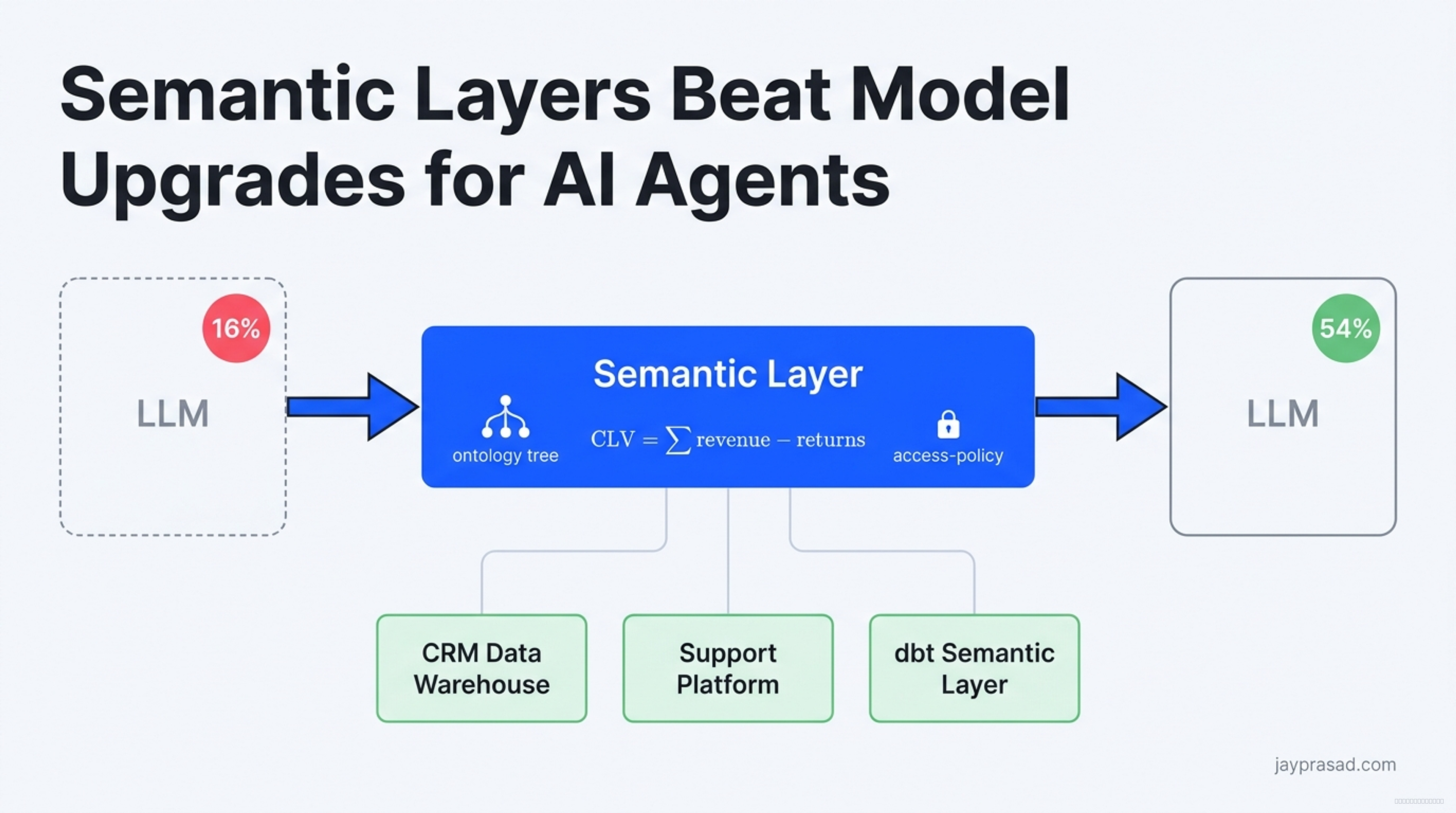
The enterprise AI bottleneck isn't model quality - it's machine-interpretable meaning, and semantic layers are the infrastructure that closes the gap.
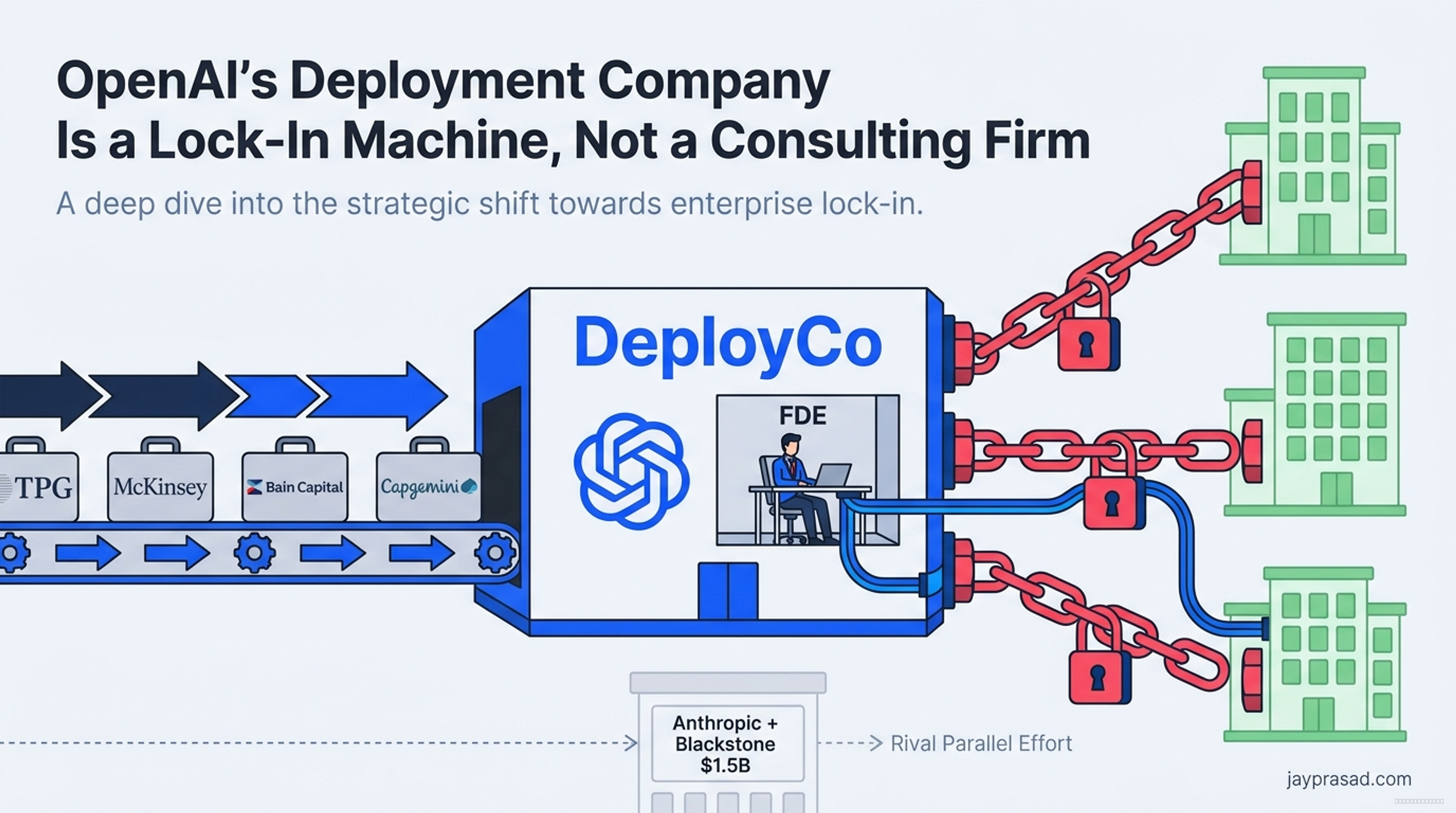
DeployCo solves OpenAI's commoditization problem, not your deployment problem, and the lock-in is by design.
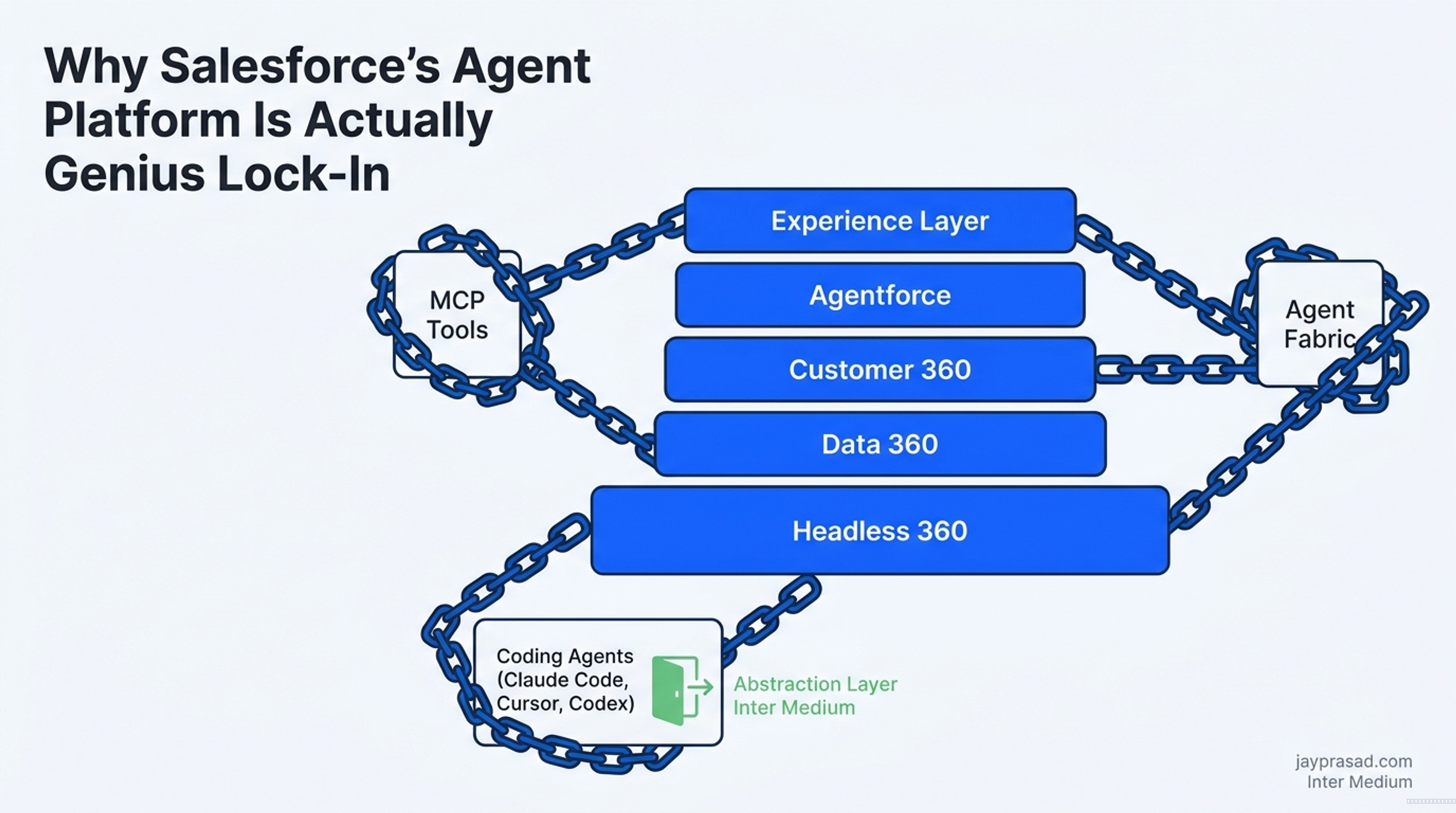
Headless 360 shifts lock-in from the UI to the infrastructure — enterprises adopting it without abstraction layers trade visible constraints for invisible ones.
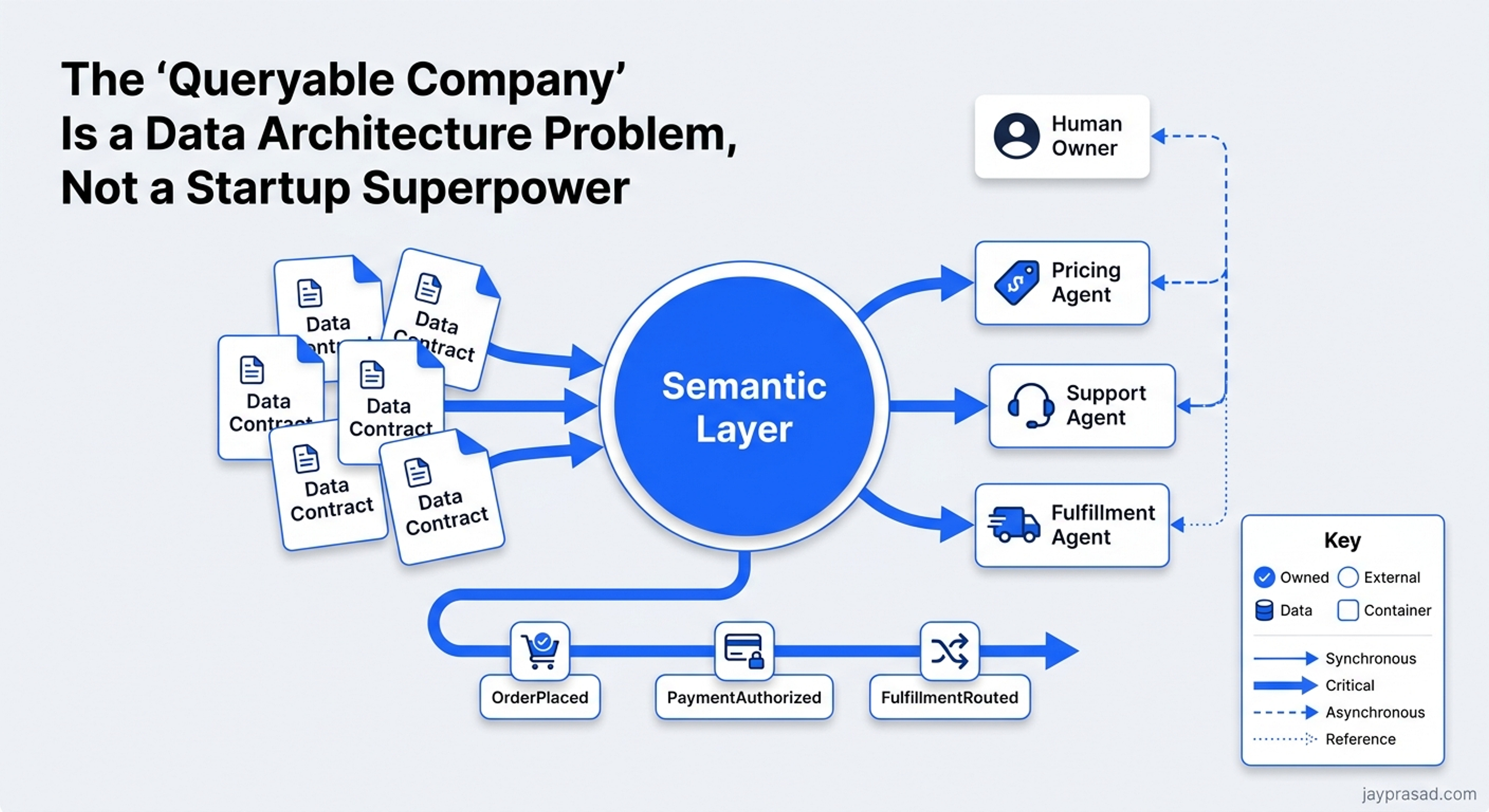
The competitive edge in building AI-native isn't being a startup, it's having intentional data architecture from day one, a discipline most founders lack.
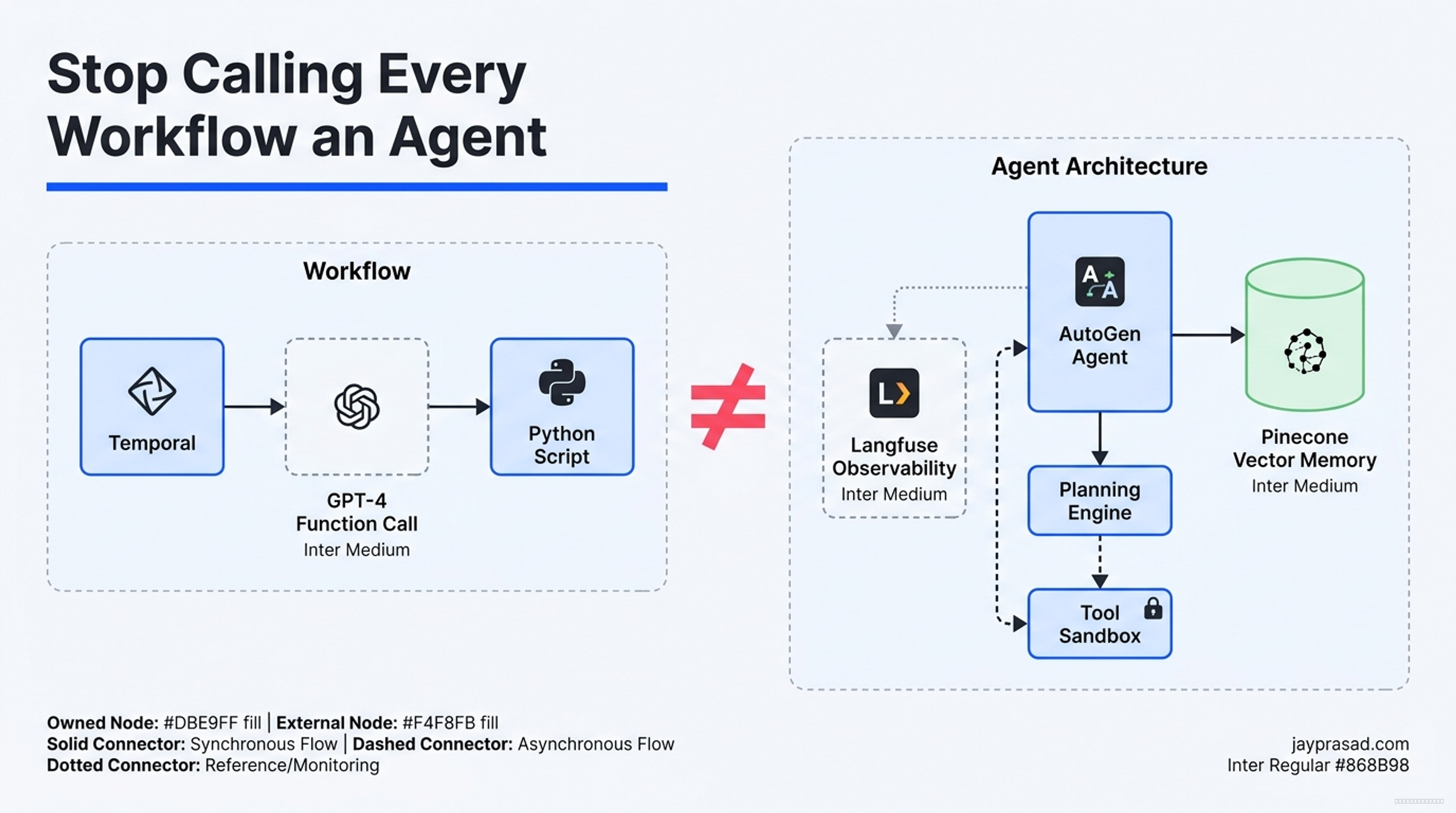
Autonomy, recovery, and access boundaries matter. Without them, it is automation wearing new language.
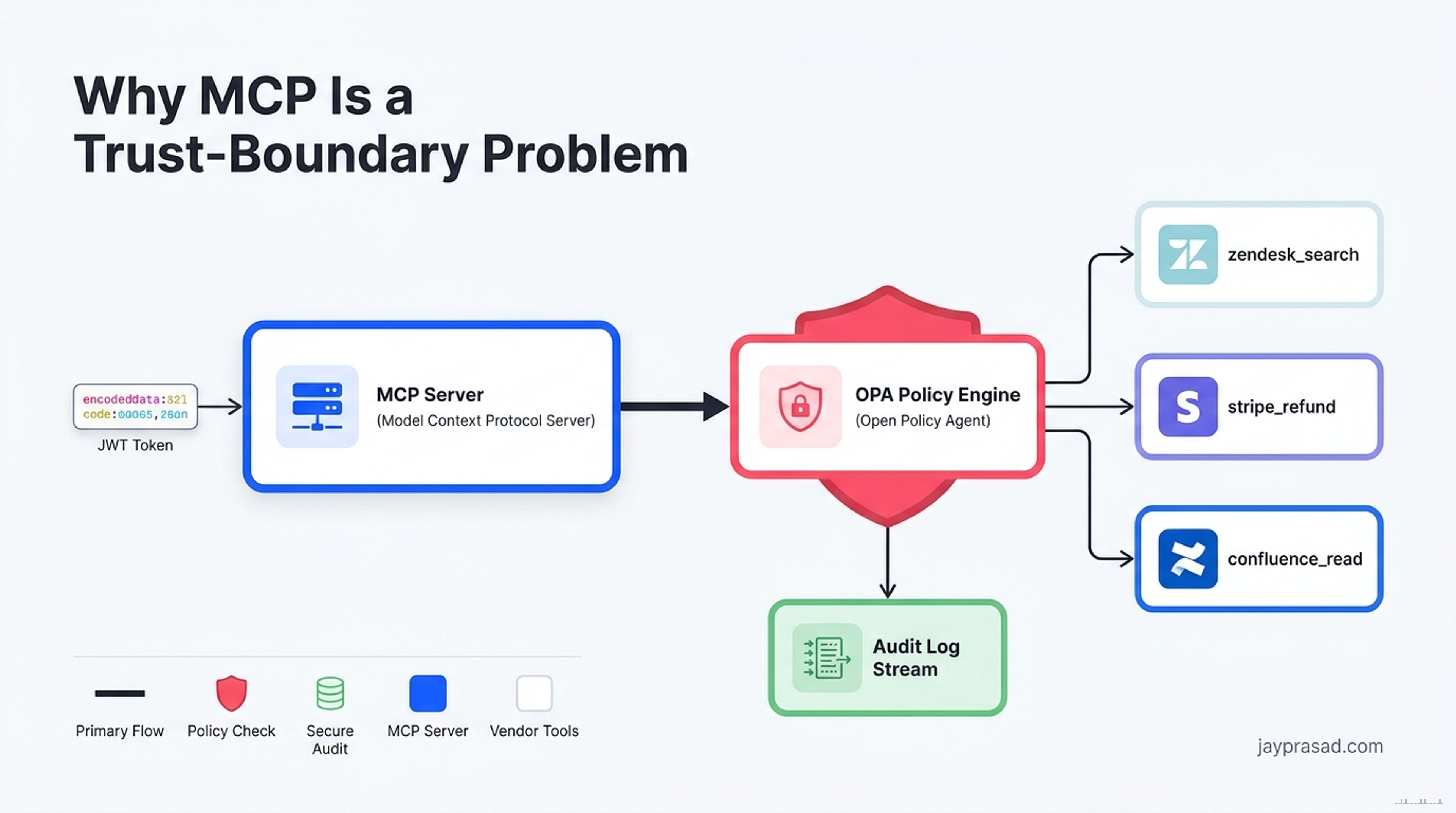
The problem is not connector count. It is identity, scope, trust boundaries, and what the runtime is allowed to do.
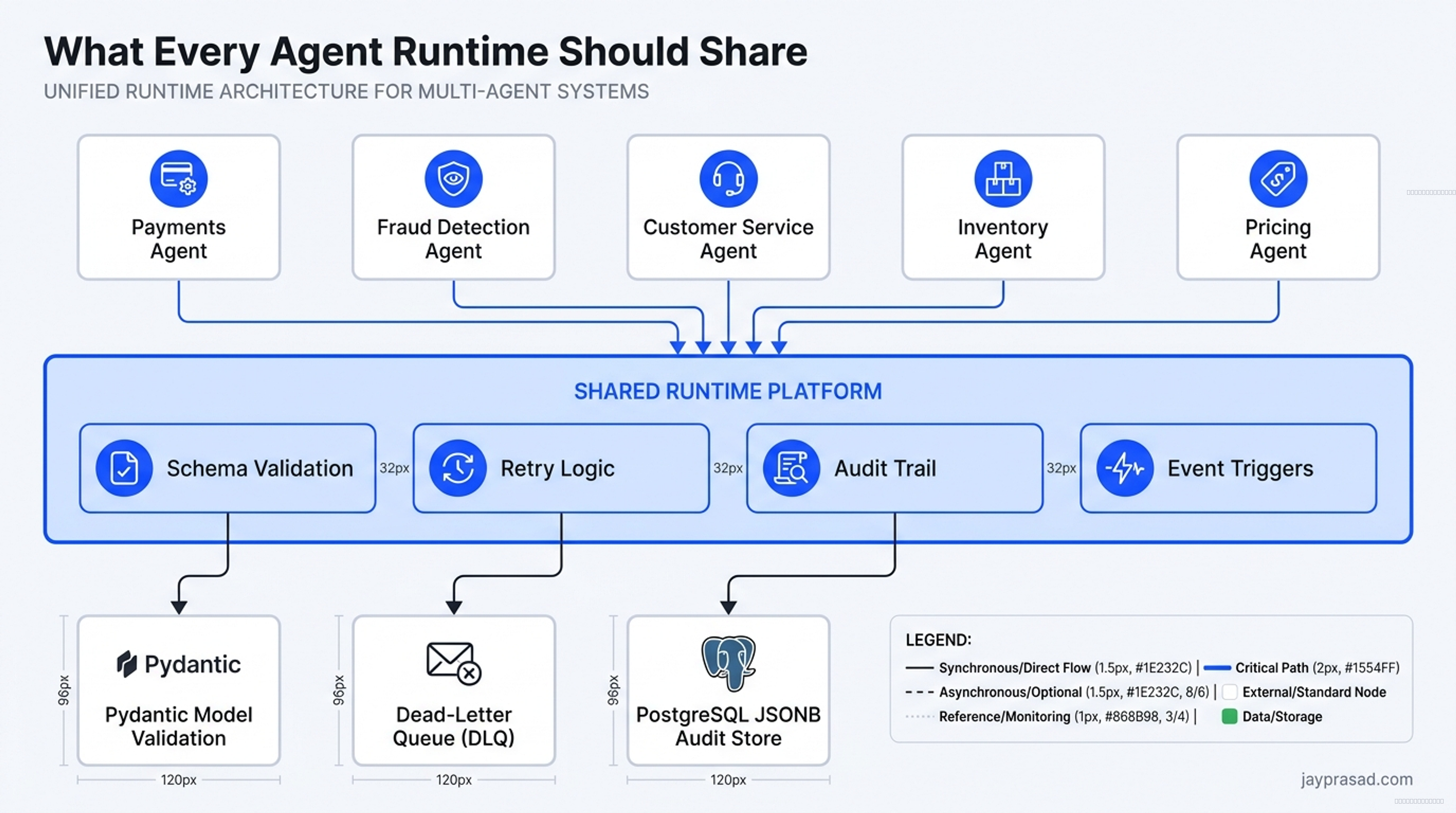
Triggers, validation, recovery, and auditability belong in the scaffold, not re-invented agent by agent.
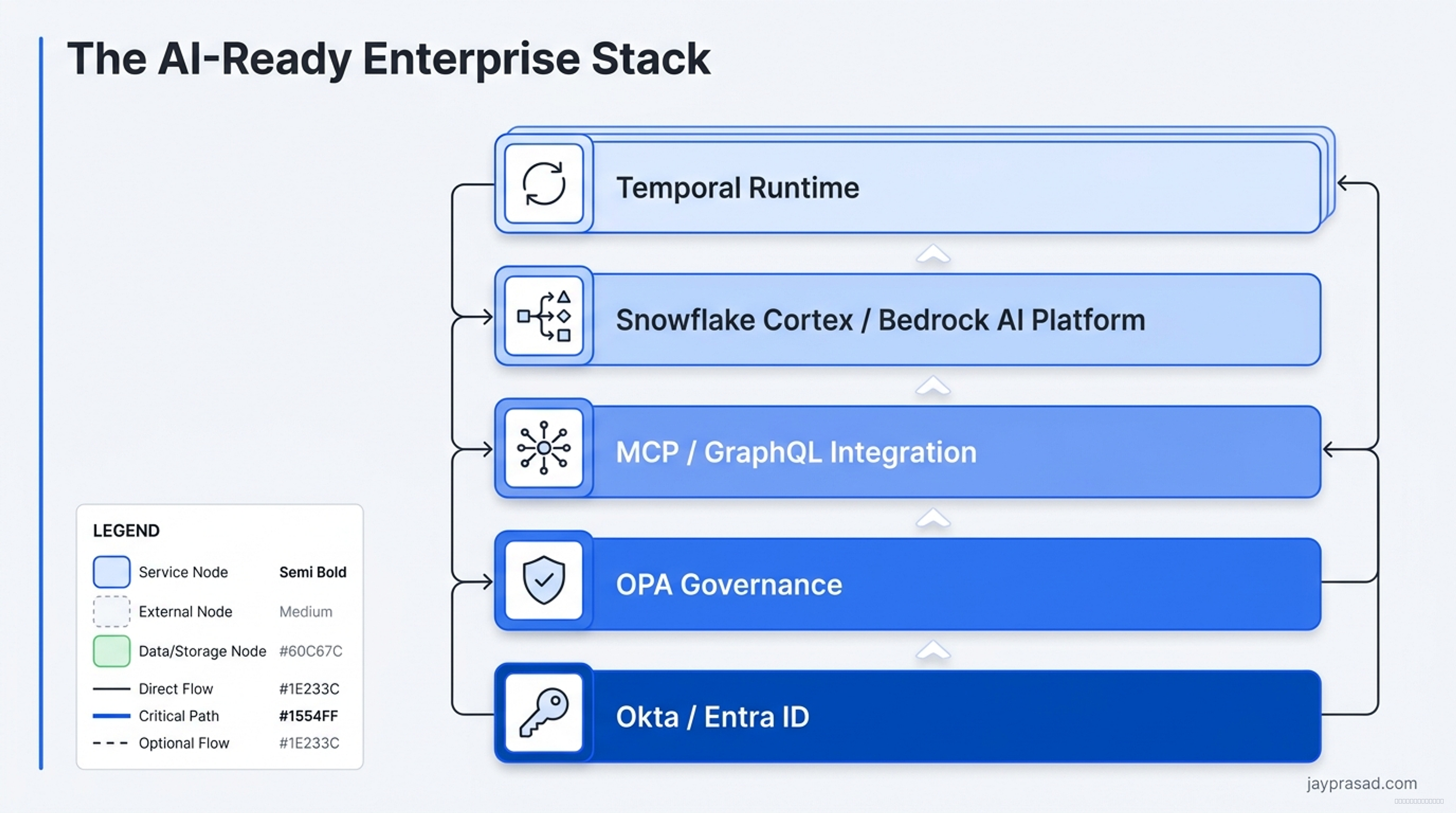
Most enterprise AI conversations start at the model layer. They should start several layers lower.
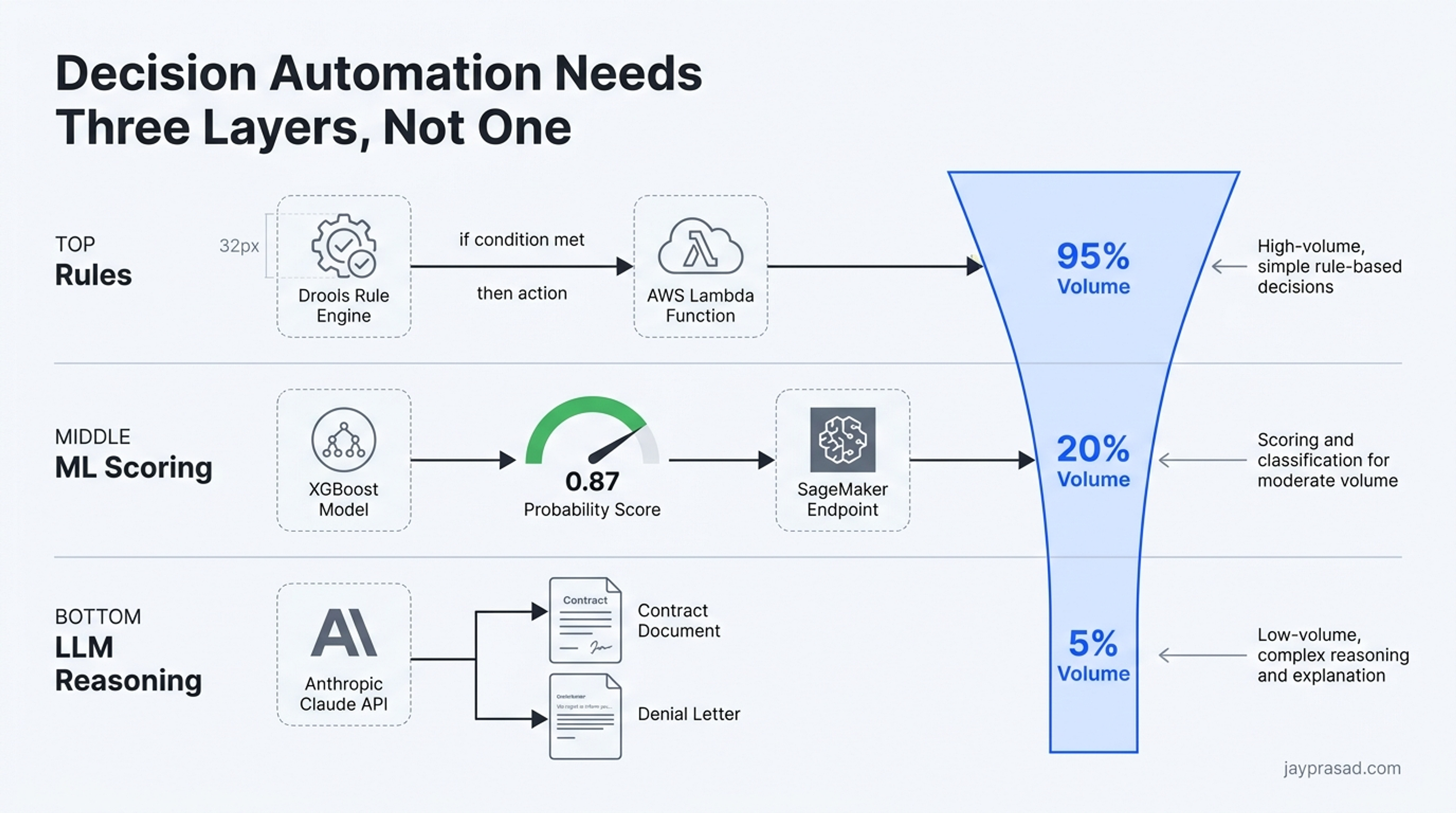
Rules, ML signals, and LLM reasoning each have different jobs. Treating them as one layer creates brittle systems.
MCP can narrow which tools an agent may call, but it does not replace runtime identity, delegated user access, or downstream system permissions.
The real choice is not whether an agent has credentials. It is which identity pattern fits the ownership boundary around the action.
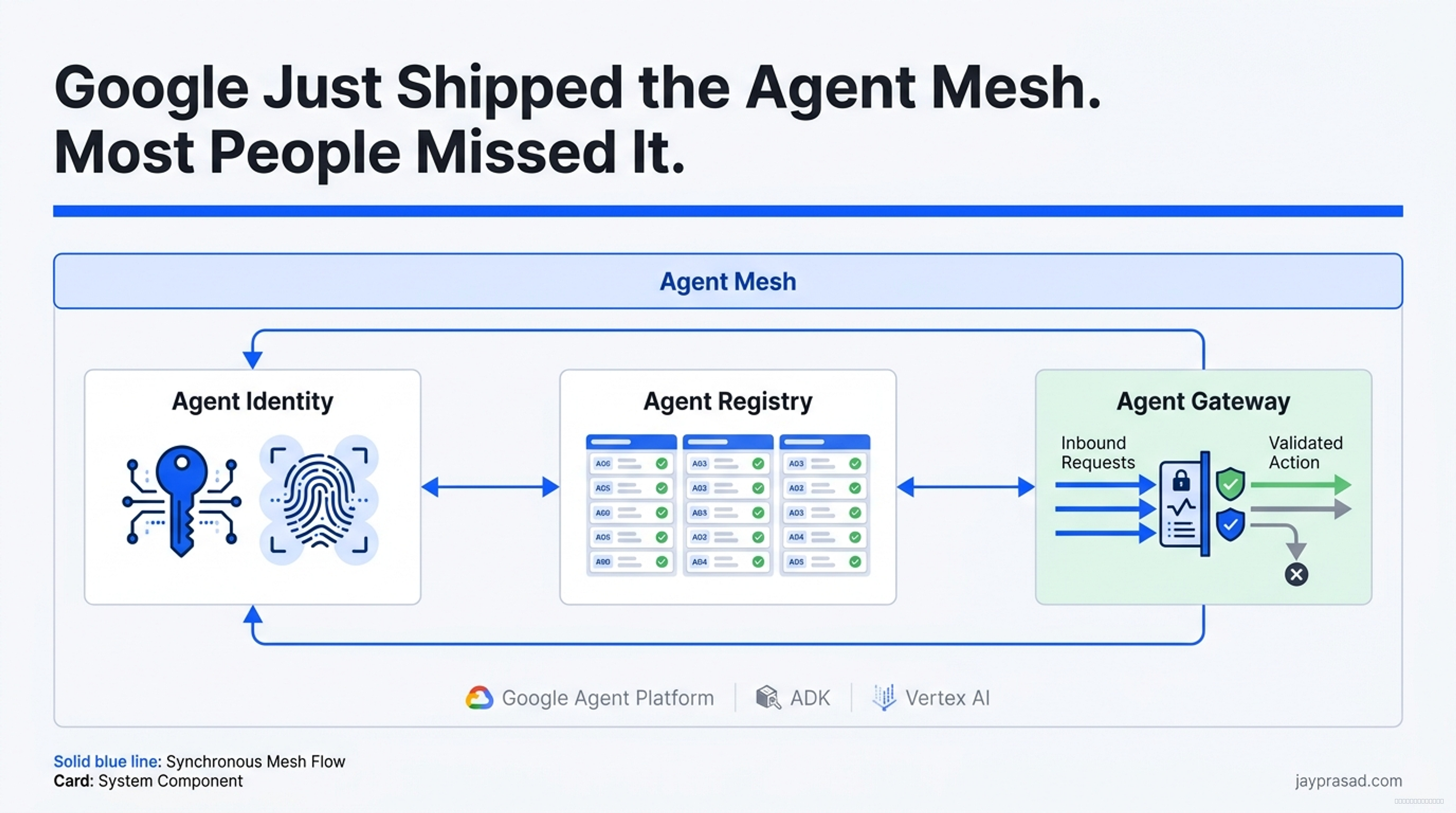
The real story in Google's Agent Platform isn't Gemini models, it's three governance primitives that form an agent mesh solving why enterprises can't get agents past POC.
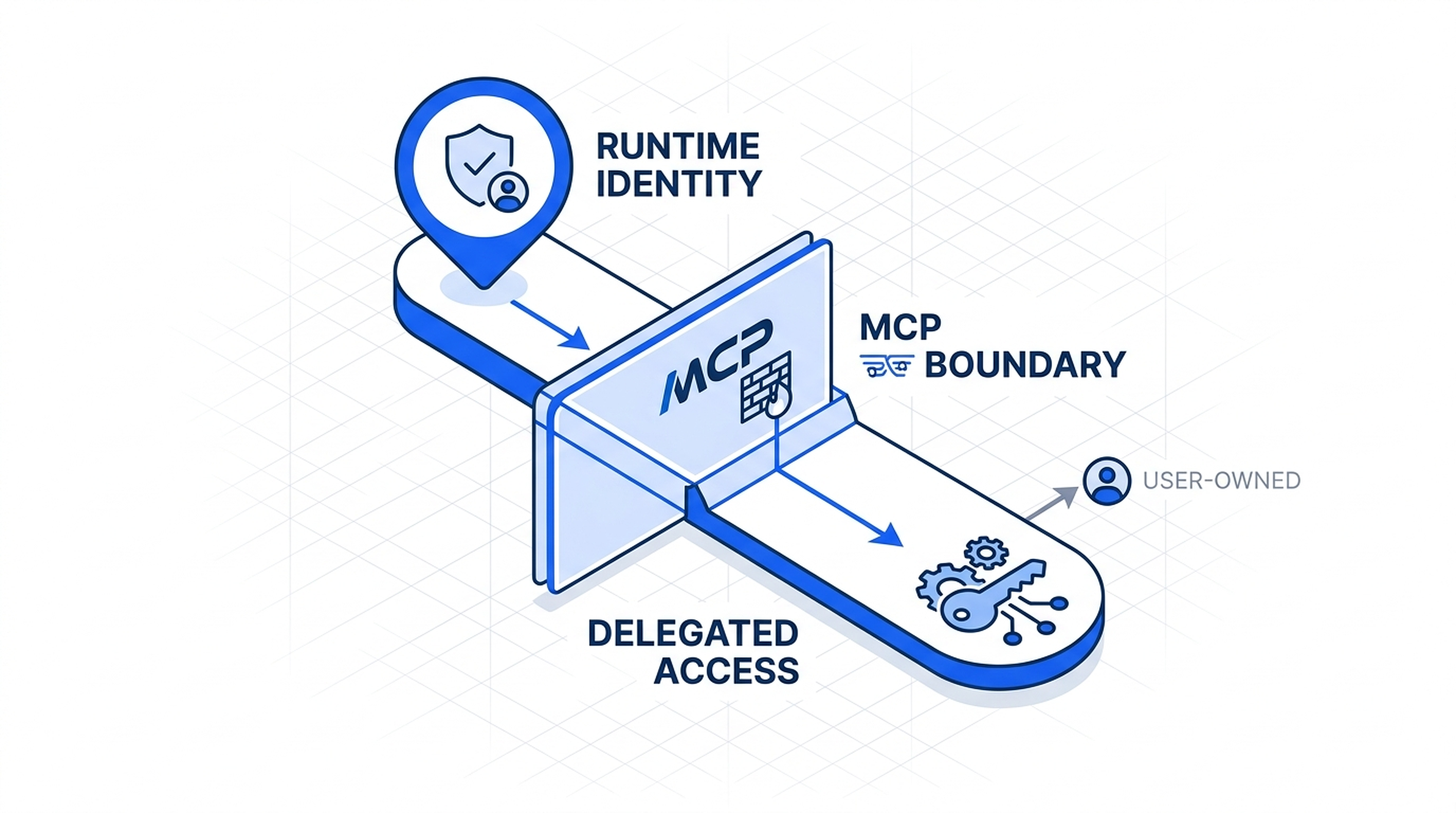
MCP can narrow which tools an agent may call, but it does not replace runtime identity, delegated user access, or downstream system permissions.
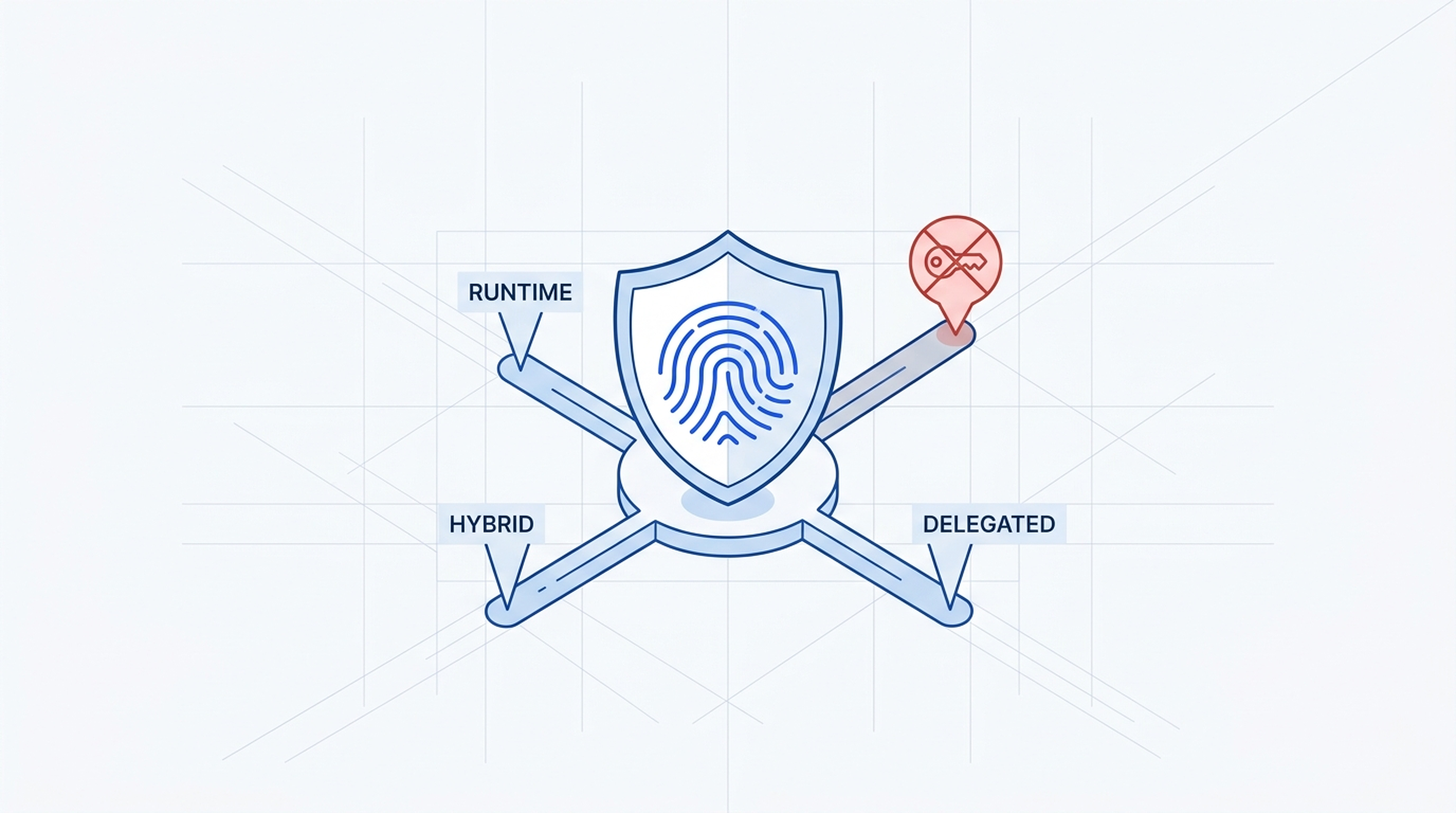
The real choice is not whether an agent has credentials. It is which identity pattern fits the ownership boundary around the action.
Most enterprise AI conversations start at the model layer. They should start several layers lower.
Triggers, validation, recovery, and auditability belong in the scaffold, not re-invented agent by agent.
The problem is not connector count. It is identity, scope, trust boundaries, and what the runtime is allowed to do.
Rules, ML signals, and LLM reasoning each have different jobs. Treating them as one layer creates brittle systems.
Autonomy, recovery, and access boundaries matter. Without them, it is automation wearing new language.
Try a different topic, format, or search term.